36. SEPTEMBER 18, 1955

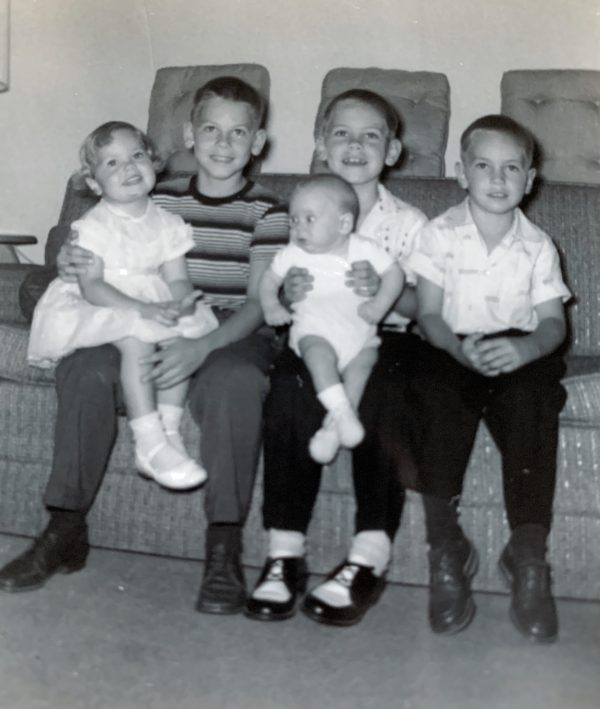
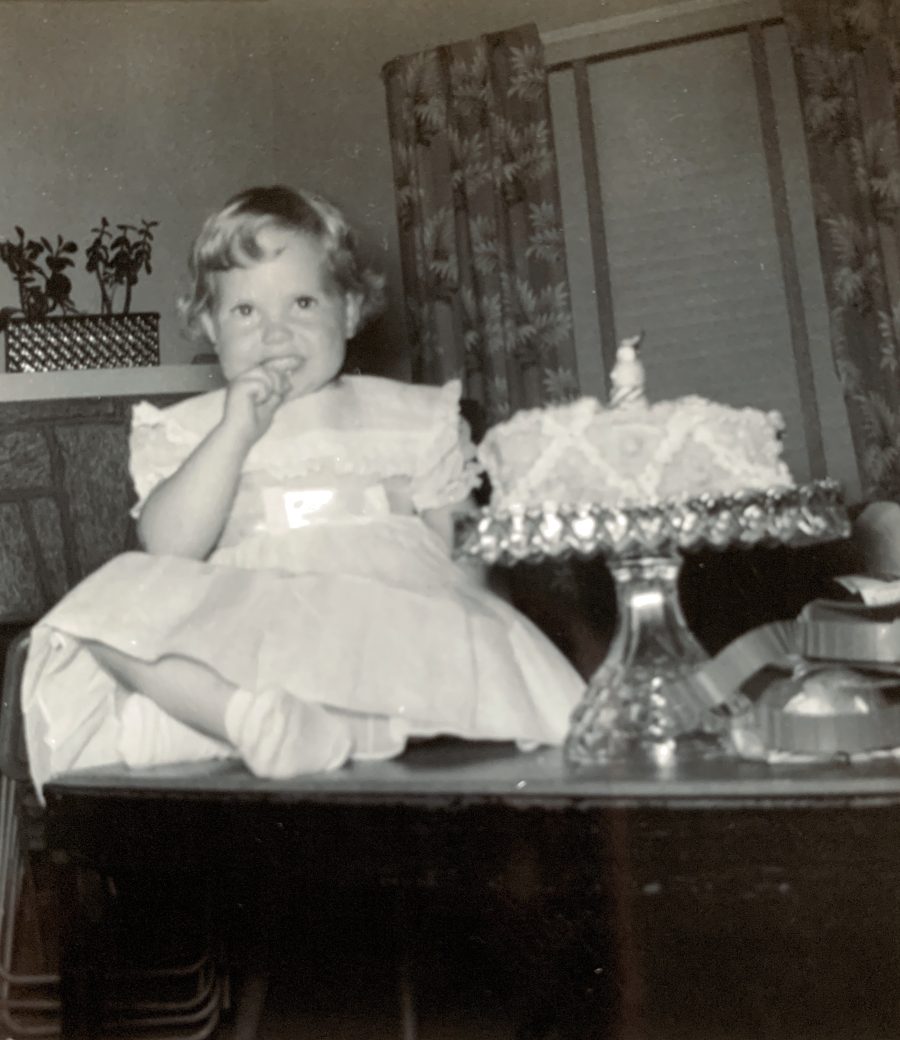
Today marks the 70th anniversary of the day I entered this world.  The technology in the 1950’s was not advanced to know the sex of the baby before birth.  In fact, I think a rabbit had to die to even confirm a woman’s pregnancy.  Since my parents already had three boys they were hoping for a girl. As the story I heard many times over goes, there were shouts of happiness when dad delivered a baby girl.  I was stubborn even at birth as I apparently didn’t want to breathe and vigorous efforts were made to stimulate me.  It was a Sunday, and dad didn’t have surgeries or office hours that day but instead went out to play a golf tournament and won.  The newspaper carried an article the next day about Dr. PJ Moore delivers daughter and wins at golf.  

My memories go back to the late 50’s and 60’s growing up in a very different world than what is today.  It is beyond amazing to remember the big console black and white TV that got three channels, had no remote so that one had to get off the couch to change channels and adjust the antenna and stopped broadcasting at midnight.  Now, on a device just barley bigger than a credit card we can talk and send messages to people around the world, do our banking and business matters, take pictures and videos, store all those images,  have access to a dictionary, Bible, atlas, extensive reading and listening library, get driving directions, research any subject, play games and so much more.  I remember when the sound barrier was broken, John Glenn circled the earth, and Neil Armstrong walked on the moon.  The advances in medical technology make old episodes of Star Trek seem prophetic as well as devices Dick Tracey and Get Smart used.

But what I don’t remember when I was young were many people with Parkinson’s Disease.  There was an elderly gentleman in our community who had it.  When I was in college, I knew my 80-year-old grandfather had it.  My mom brought him from his home in Ohio to our place in North Carolina to take care of him and did a lot to rehabilitate him so that he could walk some.  He died when he was 82 and I had recently graduated from college. 

Today, there are many individuals diagnosed with Parkinson’s Disease.  It is estimated that 90,000 people in the US will be diagnosed this year and 15 % of them early onset – younger than 50 years old.  As of now, the worldwide estimate of people with PD is 10 million.  It is taking over Alzheimer’s Disease as the leading neurological disorder.  So, what is causing this trend?  

In the last few months, I have read several articles about the risk of environmental toxins.  The finger is pointed directly at Paraquat, an herbicide used to kill weeds and help lawns to look beautiful, as well as in agriculture. The dangers of living near a golf course and playing golf are being documented with alarming statistics raising one’s risk for PD.  Other chemicals are being implicated as well like Trichloroethylene (TCE) used as a solvent and in dry cleaning fluid.  There are other herbicides, pesticides, metals and organic pollutants as well. Some articles are indicating that PD may be largely preventable if these pollutants and toxins were banned.  Of course, there are genetic risks and traumatic head injury that contribute too. 

I do a lot of online reading and research to learn what I can about how to live life well with a diagnosis of PD.  There are many products, devices, supplements, and how-to plans out there that offer some help with symptoms.  Of course, the medication Sinemet or carbo/levodopa is the primary medication as well as a lot of others that help control symptoms. But the only proven way to slow down the progress of the disease is to engage in vigorous, heart-raising, sweat producing exercise for at least 30 minutes three or four times a week. I don’t get in as much as I need to every week but make a big effort to be out there trying to slow down this debilitating disease.  

Since I have committed to hiking three volcanoes in Guatemala as a fundraising event for the Michael J Fox Foundation in November, I am trying to make an extra effort to be in shape.  These events serve several purposes for me.  They give me incentive to stay active and strive for being shape.  I have found a wonderful support group in the Fox community.  It has given me a way to reach others to offer hope, inspiration, awareness and show just what exercise can do.  It has also given me a way to be a part of the solution by raising funds for research.  One hundred percent of the funds I have raised through events I have participated in with the MJFF go to research.  I could write more about the fantastic efforts of the MJFF as they do so much to provide information, raise awareness, work to advance legislation on behalf of the PD community and so much more.  

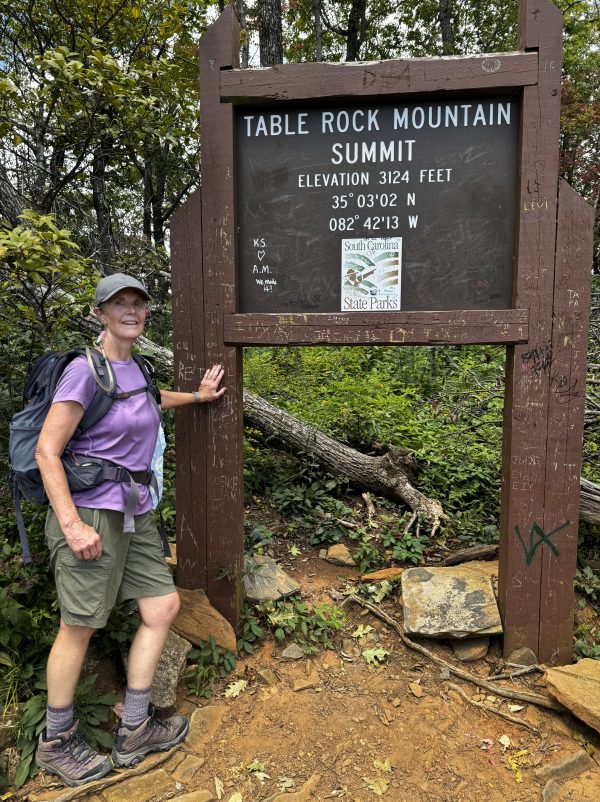
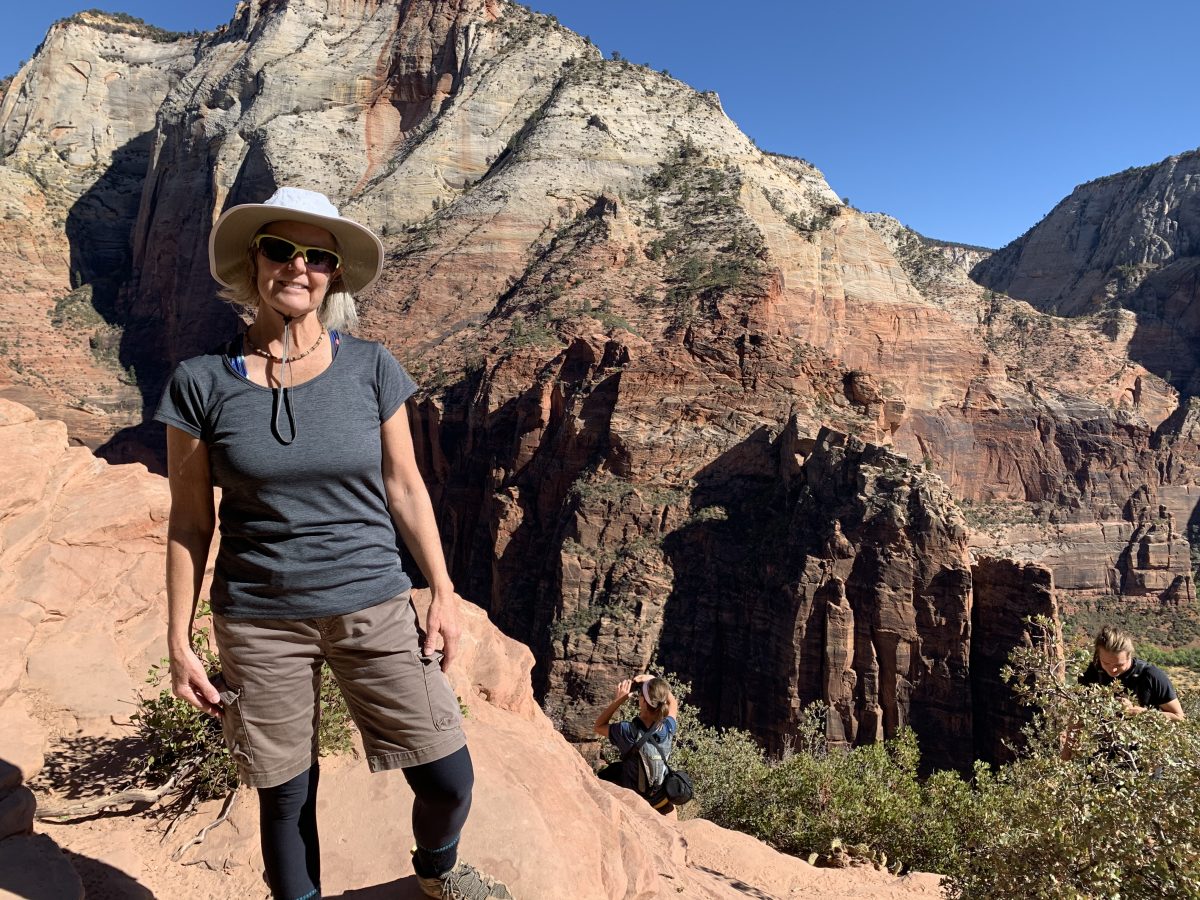
So as fall rolls in and I prepare for this monumental adventure, watch for me on the trails.  I’ve recently been to the summit of Table Rock in SC and many other peaks in the mountains of Western North Carolina.  A few days a week I’m out jogging in my neighborhood.  I’m doing core exercises like push up and sit-ups.  And lately, I’ve been doing a lot of yard work pulling weeds, dividing plants, hauling mulch.  I’m going to get to the top of those volcanoes!

https://give.michaeljfox.org/fundraiser/6315010

© Copyright 2025. Lucretia Pintacuda. All rights reserved.
35. What’s Driving Me to take on Guatemala

In three months, I will be in Guatemala already embarked on my quest to climb three volcanoes.  This will be an effort in endurance, perseverance, strength and courage.   I have been wondering lately what is driving me to do this.  I think I just might be crazy!  Let me assure you that it is not to bring attention to myself.  I wish every day that I did not have a neurogenerative disorder, and certainly not one who’s symptoms are very visible and disabling.  I have been considering the answer lies party in the foundation of my upbringing.  

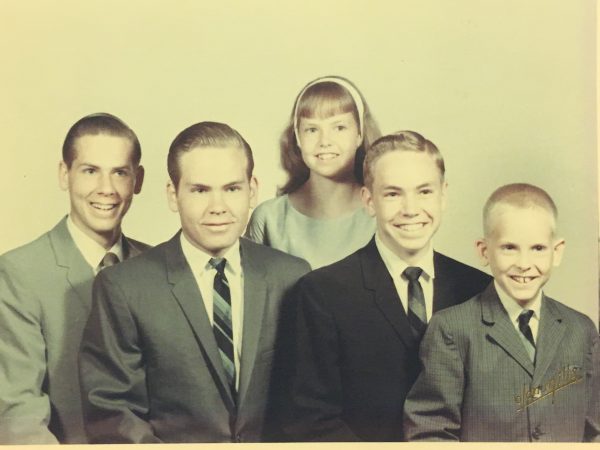
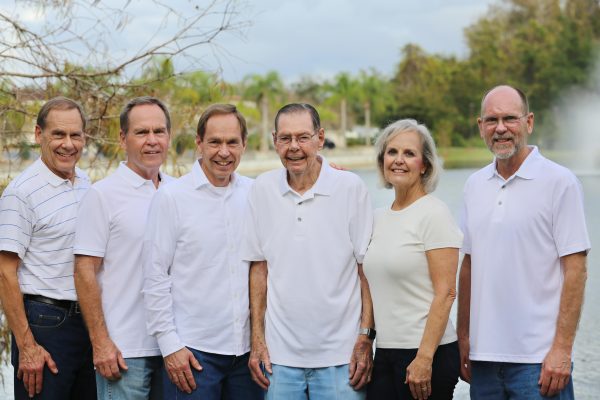
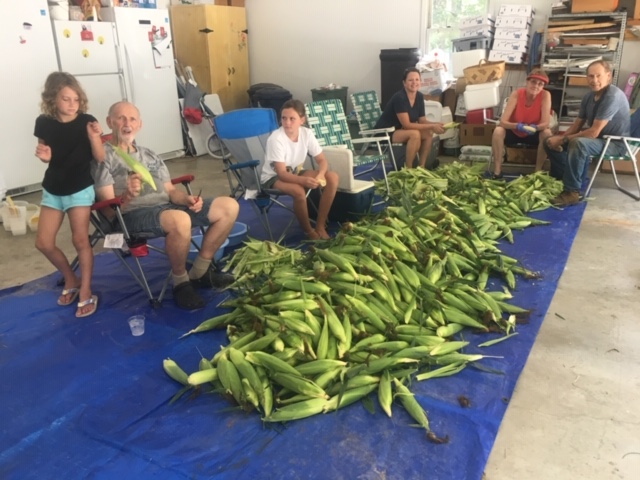
I was the only girl with four brothers raised by the two most hard-working parents I have ever known.  That was the kind of hardworking where they were up before dawn and worked till way past sundown.  Mom was raised on a dairy farm in Ohio where the cows had to be milked twice a day every day of the year.  In-between the milking sessions the farmer has lots of chores to do and feed to grow for the cows.  My dad was a surgeon at a small mountain hospital where he was literally on call 24/7 all year long.  Mom wrote a chore list for each child every day except Saturday which in our household was the Sabbath.  Sometimes, she would tell us to get all our chores done and she would take us swimming for an hour of so at the neighborhood pond.  The core family value was to be industrious and do your best at whatever you set out to do.  They were purpose driven parents that instilled that feature into the very fabric of their five children.  We learned how to work hard, play hard, and to be servants to others. 

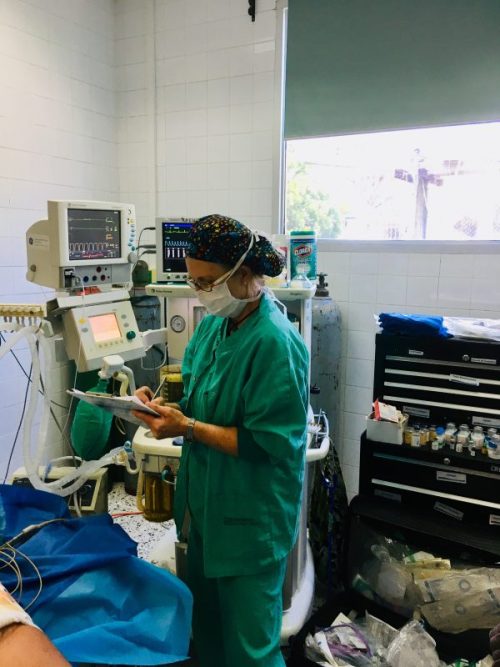
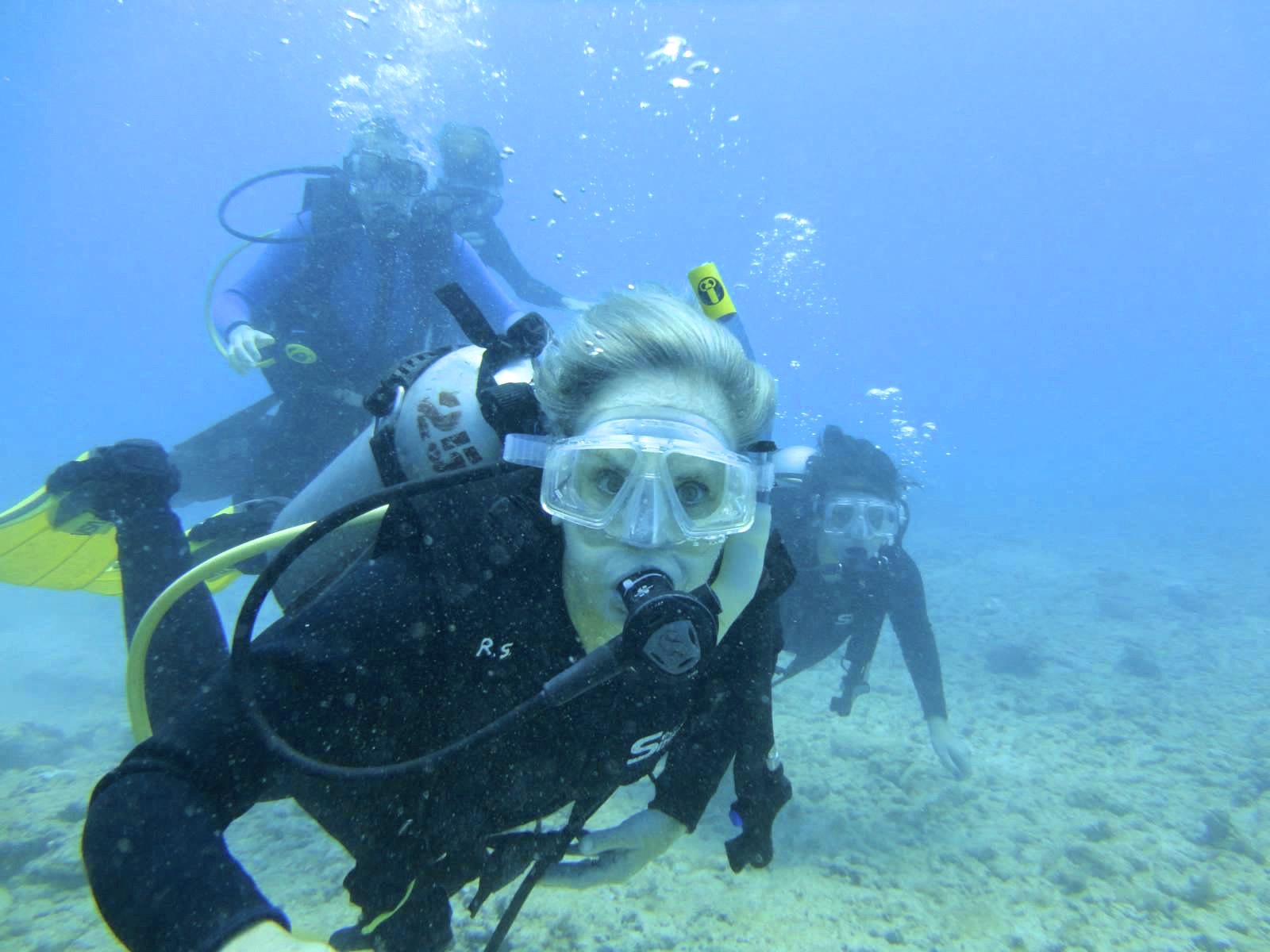
I lived a full and rich life traveling to destinations near and far, taking up sports like backpacking, scuba diving, snow skiing, hiking and racquetball.  I’ve also gone on several humanitarian trips to third world countries to provide medical care where the needs are overwhelming.  When I diagnosed myself with PD at the age of 61, I wasn’t about to lay down and roll over.  I wanted to do everything I could to slow down or end the progression of what it was doing to my body.  I was already very physically active but now I made it a necessary part of weekly life.  I never smoked, ate a mostly plant-based diet with much of the produce homegrown in our organic garden, drank alcohol very sparingly, and did other things pertinent to a healthy lifestyle.  

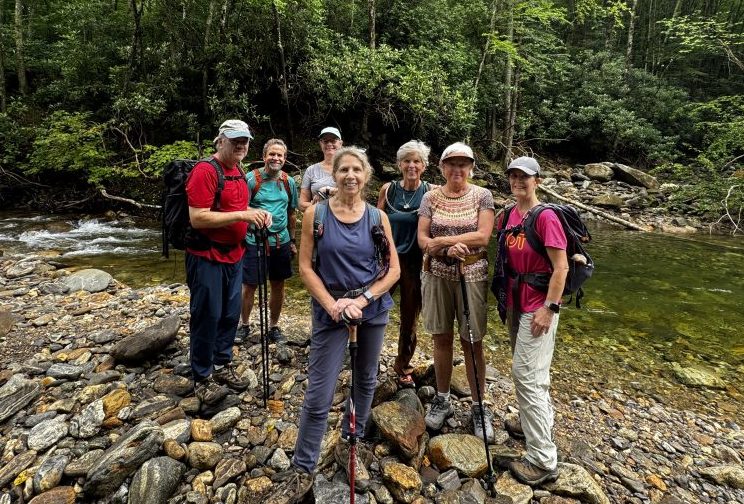
When I retired at 65 from my postgraduate healthcare career, there was no question what my new mission and purpose would be.  I decided to go public about my diagnosis by undertaking a grand journey to the summit of Mt. Kilimanjaro.  I had and still have the goal of bringing awareness about PD, inspiring others, and raising funds for research to end this dreaded disease.  After I survived climbing to 19,341 ft. elevation what next?  

Sometimes, I think I project how well a person can live with this disabling disease that I may be camouflaging what daily life is really like.  It is a movement disorder so everything that involves movement is affected. From blinking my eyes, chewing food, putting on clothes, swinging my arms when I walk, the adaption my pupil makes to accommodate to changes in light, the activity of my GI tract, turning over in bed, and cooking are some of the things I deal with.  My speech has become softer, I choke at times, my gait can be off when I walk, and standing in one place for any length of time is difficult.  I can’t seem to get my smile right anymore.  There are numerous chores around the house and yard, and so much more that affect my everyday life.  But it is not just movement that is affected.  There are many nonmovement symptoms that make life difficult and unpleasant.  My sense of smell was diminished many years before my diagnosis.  Imagine not being able to smell bread baking in the oven, the fragrance of fresh flowers, newly mown grass, or evergreens at Christmas.  I can’t enjoy the aroma of fresh brewed coffee or the scent of a new baby.  And in our house, I can’t smell the fresh aroma of Sunday tomato sauce.  I also can’t smell soured milk or spoiled food and other odors that alert me to potential dangers.  My nose will start dripping for no reason and without warning.  REM sleep disorder is very common for people with PD.  I have vivid dreams and at times, wake myself and my husband up with screams of terror. I sweat more profusely than before PD.  But the worst nonmovement concern is difficulty with mood regulation.  Anything stressful is more difficult to manage and anger outbursts are another characteristic of it. Depression goes hand in hand with PD.  I fear I am losing my personality and friends will not understand my need to keep things on a level field emotionally.

At my first appointment with my Movement Disorder Specialist, he told me the good news is that PD doesn’t cause death nor shortchange life expectancy.  But it does chip away at what makes one who they are.  It robs so much from daily life.  People are more prone to falls and other health risks which can cause life changing injury.  It robs one of their sense of identity and their ability to be active and social.   It’s like watching your life evanesce, as steam from a slowly simmering pot of tea disseminates into the air.

So, what’s next for me?  I want to continue to live a full and vibrant life.  I still want to inspire others with what can be accomplished with determination.  And I want to raise funds for research. The Michael J Fox Foundation has the number one goal of finding a cure or way to end PD.  Watchdog rating groups that score foundations give the Michael J Fox Foundation an A+ rating.  Their research department is doing amazing work, and this has resulted in greater understanding of PD and breakthroughs that are already helping those of us with the disease.  PD is surpassing Alzheimer’s as the leading neurogenerative disorder.  If PD hasn’t already touched you, a loved one, or an acquaintance, you likely will be touched personally by it in your lifetime. If you would like to be part of the cure, I invite you to contribute to my fundraising campaign.  ONE HUNDRED PERCENT of the donations go directly to research.  As for me, I will continue to fight the fight.   

https://give.michaeljfox.org/fundraiser/6315010

© Copyright 2025. Lucretia Pintacuda. All rights reserved.